
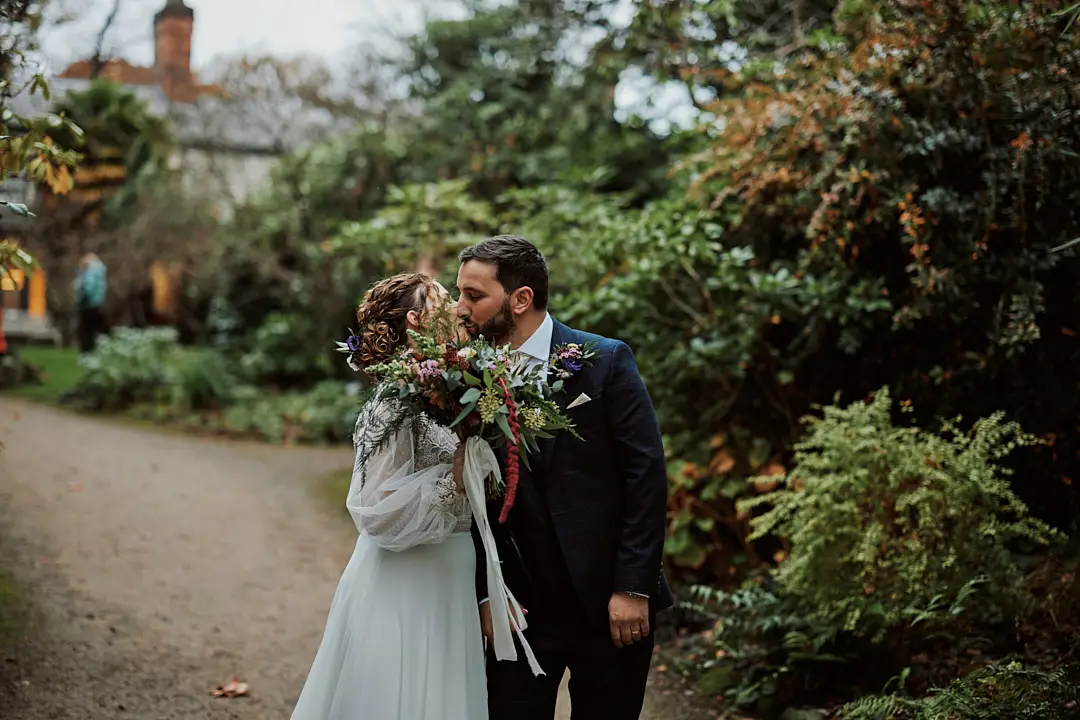
How to Get Natural Wedding Photos That Feel Real

The photographs couples return to most are rarely the perfectly arranged ones. They are the squeeze of a hand before the ceremony, your mum seeing you ready for the first time, friends laughing during speeches, and the happy chaos of the dance floor. If you are wondering how to get natural wedding photos, the answer is less about knowing how to pose and more about planning a day where you can genuinely be present.
Natural wedding photography should not mean leaving everything to chance. A little thought before the day creates the space for real moments to happen without a camera taking over. Here is how to make that happen.
Choose a photographer you can relax around
Your photographer will be close by for many of the most personal parts of your wedding day. Feeling comfortable with them is the starting point for natural images.
Look beyond a portfolio of beautiful photographs and consider how the photographer works. Do their images show real interactions, movement and emotion? Are guests engaged with one another rather than constantly looking at the camera? Documentary-led coverage is about observing the day as it unfolds, while knowing when to gently step in for the family photographs and couple portraits you will want to keep.
A conversation before booking matters. Tell your photographer if either of you feels awkward in front of a camera, if there are family dynamics to be aware of, or if you would rather not spend long away from your guests. The right photographer will listen, offer reassurance and adapt the coverage around you.
At AB Film & Photo, I use a pre-wedding consultation to get to know each couple, their plans and what matters most to them. By the wedding morning, I want to feel like a familiar, calm presence rather than someone you need to perform for.
Plan the day for moments, not just photographs
A relaxed wedding timeline is one of the most effective ways to get natural wedding photos. When every part of the day is squeezed too tightly, people feel rushed, suppliers are chasing the clock and small delays become stressful. That pressure can show in pictures.
Build in breathing room around the moments that matter. Allow more time than you think you need for getting ready, travel between venues, greeting guests after the ceremony and group photographs. Ten or fifteen minutes of flexibility can protect the atmosphere when hair runs late, traffic builds in Manchester, or an enthusiastic aunt wants a longer hug.
This does not mean your day needs to be loosely organised. Quite the opposite. A clear plan, shared with your photographer and key suppliers, lets everyone work confidently in the background. You can then focus on the people in front of you.
Give yourself a calm morning
The morning sets the tone. Choose a getting-ready space with enough room and natural window light if possible, but do not worry if your venue is not styled like a magazine shoot. The people around you and the anticipation in the room matter far more.
Try not to fill the room with too many people, bags and last-minute jobs. Keep your key items together, such as rings, stationery, outfits and flowers, so they can be photographed without a frantic search. Most importantly, leave time to sit down, have a drink of water and enjoy the company of your closest people.
Keep group photographs simple and organised
Family photographs are meaningful, and having them does not make your wedding coverage less natural. The key is to keep the list sensible and organise it well.
Choose the combinations you will genuinely value in years to come, rather than trying to photograph every possible pairing. For most weddings, immediate family, grandparents and wedding party combinations are enough. Ask someone who knows both families well to help gather people when needed. This means you are not spending your drinks reception calling relatives away from the bar or searching for someone who has disappeared to the loo.
Once those portraits are finished, your photographer can step back again. The hugs, conversations and laughter that follow often make some of the most treasured photographs of the day.
Treat couple portraits as time together
Many couples worry about couple portraits because they imagine being asked to hold uncomfortable poses for an hour. They do not need to be like that.
Think of this part of the day as a short pause together. You have just got married, and it may be one of the only quiet moments you share before the celebrations gather pace. A good photographer will give light direction where helpful, such as where to stand for flattering light or suggesting a gentle walk, but should leave room for you to talk, laugh and take it all in.
You do not have to stare at the camera. Look at each other, take a breath, straighten a tie, tuck hair behind an ear or simply walk hand in hand. Those small, unplanned movements are what stop portraits from feeling stiff.
It can also help to split portraits into two short sessions: a few minutes after the ceremony and another ten minutes around sunset, if the timing and weather allow. This gives you variety without keeping you away from your guests for too long. In the North West, though, the weather and winter light can change quickly, so flexibility is more useful than chasing a perfect sunset.
Let guests forget there is a camera
The most candid photographs happen when guests are comfortable. Let people know your photographer is there to document the day, not direct every moment. They may be more likely to relax, especially if they understand that they do not need to pose each time a camera comes near.
It also helps to resist asking guests to create moments for the camera. The confetti throw, speeches and first dance have plenty of energy without extra staging. If there is a person or relationship that matters deeply to you, mention it beforehand instead. Your photographer can keep an eye out for the natural interaction between a grandparent and grandchild, old school friends reunited, or the person who has supported you through the planning.
A second photographer can be particularly valuable for larger weddings or celebrations across more than one venue. While one photographer stays with you, the other can capture guest reactions, room details and a different viewpoint of the same moment. It is not essential for every wedding, but it gives fuller coverage where timings and guest numbers make it worthwhile.
Make space for the parts that feel like you
Natural photographs reflect a wedding that has some of your personality in it. That might be a relaxed pub stop between ceremony and reception, your dog joining for a few photographs, a favourite song during the signing, or a dinner seating plan that puts the loudest friends together.
You do not need to add details purely because they will photograph well. In fact, the most meaningful images usually come from choices that were made for you and your guests. If you are planning a church ceremony followed by a city-centre reception, or a countryside venue where everyone stays late, share that rhythm with your photographer. They can plan where to be without interrupting it.
For couples who are especially nervous, a pre-wedding shoot can be useful. It gives you a chance to see that you do not need to pose perfectly, and it helps you understand how little direction is required once you settle into the moment. But it is an option, not a requirement. Plenty of couples feel at ease simply because they have had an honest conversation and know what to expect.
Trust the day to be imperfect
A light shower during confetti, a toddler crying through a reading, wind catching a veil or a speech that goes gloriously off-script can all become part of the story. Trying to control every detail can make a wedding feel less like a celebration and more like a production.
Preparation gives you confidence, but the best natural photographs come when you allow the day to unfold. Stay close to one another, notice the people who have gathered for you, and give yourselves permission to enjoy it. The real moments will be there, and they are always worth remembering.


Comments